Sustainable development is a critical imperative for South African cities, which are facing a range of environmental, social, and economic challenges. Rapid urbanization, climate change, and inequality are putting immense pressure on urban resources and infrastructure. To address these challenges, cities must adopt a holistic approach to development that integrates environmental, social, and economic considerations. This requires a shift away from traditional, resource-intensive models of development towards more sustainable and resilient approaches. The focus should be on creating cities that are not only economically prosperous but also environmentally sustainable and socially inclusive.
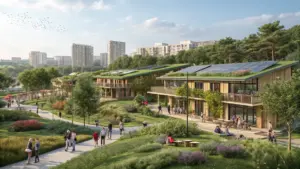
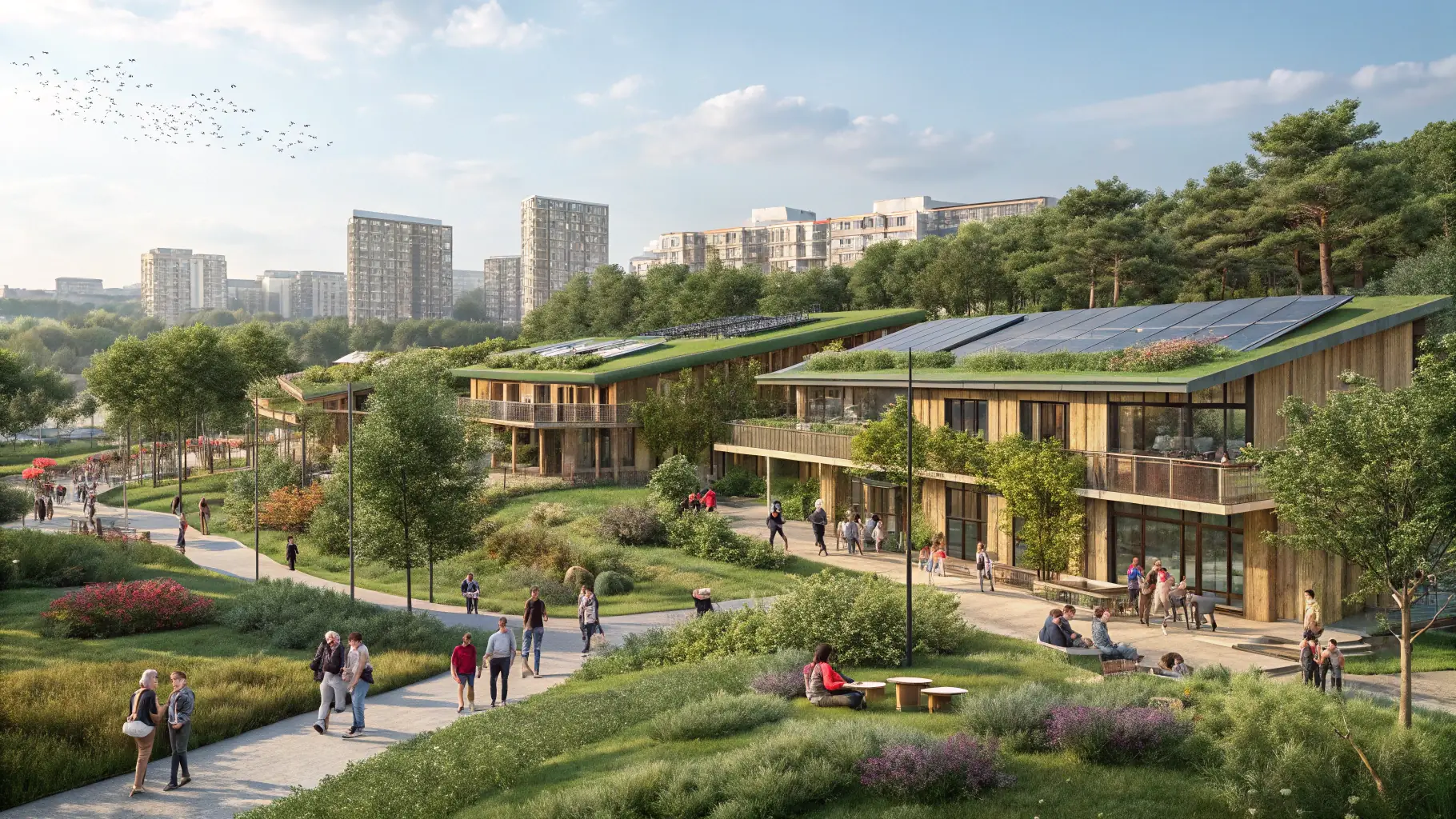
One of the key strategies for promoting sustainable development in South African cities is to prioritize energy efficiency and renewable energy. Buildings are a major source of greenhouse gas emissions, so improving their energy performance is essential. This can be achieved through measures such as insulation, efficient lighting, and the use of renewable energy sources like solar power. Investing in public transportation and promoting cycling and walking can also help to reduce carbon emissions from the transport sector. The development of green infrastructure, such as parks and green roofs, can also help to mitigate the impacts of climate change and improve air quality.
Another important aspect of sustainable development is promoting social inclusion and reducing inequality. This requires creating affordable housing options, improving access to essential services, and promoting economic opportunities for all residents. Investing in education and skills development can help to empower marginalized communities and create a more equitable society. By prioritizing sustainable development, South African cities can create a brighter future for all their residents.